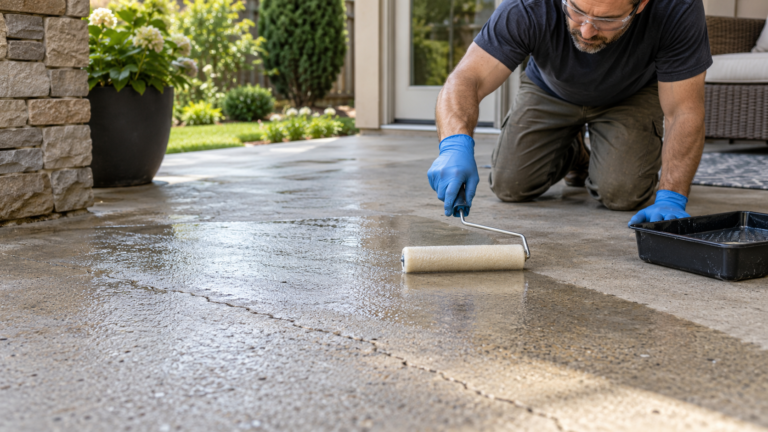
If you’ve ever encountered pinholes in concrete, you might wonder whether they’re merely a cosmetic issue or something more serious. Let’s delve into this topic and uncover why pinholes can indeed pose a problem.
What are Pinholes in Concrete?
Pinholes are small voids or holes that appear on the surface of cured concrete. They typically result from air bubbles becoming trapped during the pouring and curing process. These imperfections can vary in size, from barely noticeable specks to larger voids that compromise the concrete’s integrity and aesthetics.
Why Do Pinholes Occur?
Pinholes in concrete typically result from trapped air or excess water during the curing process. These tiny voids, often invisible initially, can mar the surface and compromise the concrete’s integrity over time. Pinholes can form due to several factors:
- Air Entrapment: During the mixing and pouring of concrete, air can become trapped within the mixture. As the concrete sets and hardens, these trapped air bubbles rise to the surface, leaving behind pinholes.
- Improper Consolidation: Inadequate consolidation techniques, such as improper vibration or troweling, can contribute to the formation of pinholes by failing to remove air pockets from the concrete.
- Mix Design Issues: The composition of the concrete mix, including the type and proportion of ingredients, can influence the likelihood of pinhole formation.
Why Are Pinholes Problematic?
Yes, pinholes in concrete can pose several issues:
Impact on Aesthetics
First and foremost, pinholes detract from the visual appeal of concrete surfaces, especially in decorative applications like countertops or polished floors. Even if initially unnoticeable, they can become more apparent over time, diminishing the overall quality of the finish.
Structural Concerns
While pinholes may seem insignificant, they can indicate broader issues with the concrete’s composition. These voids create pathways for moisture and contaminants to penetrate, leading to potential corrosion of reinforcement materials and compromising structural integrity.
Maintenance Challenges
Pinholes increase the porosity of concrete, making it more susceptible to staining, cracking, and other forms of deterioration. As a result, maintaining surfaces with pinholes becomes more challenging and costly over time.
Preventing Pinholes: Best Practices
To minimize the occurrence of pinholes, follow these preventive measures:
- Proper Mixing: Ensure thorough mixing of concrete ingredients to minimize air entrainment.
- Effective Consolidation: Use appropriate consolidation techniques, such as vibration, to remove trapped air from the concrete.
- Optimized Mix Design: Work with a qualified concrete supplier to develop a mix design tailored to your project’s requirements and environmental conditions.
Solutions for Existing Pinholes
If pinholes are already present, several remedies can help address the issue:
- Surface Repair: Fill small pinholes with a suitable patching compound or filler to restore a smooth surface.
- Grinding and Polishing: For decorative concrete surfaces, grinding and polishing techniques can help minimize the appearance of pinholes and achieve a smooth, uniform finish.
Do’s and Don’ts
Do:
- Inspect Mix Consistency: Regularly check the consistency of the concrete mix to ensure proper workability and minimize air entrainment.
- Monitor Consolidation: Use appropriate tools and techniques to consolidate the concrete effectively, paying attention to vibration frequency and duration.
- Address Pinholes Promptly: Take proactive measures to address pinholes as soon as they are detected to prevent further deterioration and aesthetic issues.
Don’t:
- Rush the Pouring Process: Allow sufficient time for proper mixing, pouring, and consolidation of the concrete to minimize the risk of pinhole formation.
- Neglect Surface Preparation: Prepare the substrate adequately before pouring concrete to promote adhesion and minimize surface defects, including pinholes.
- Overlook Maintenance: Regular maintenance and inspection of concrete surfaces can help identify and address pinholes before they escalate into more significant problems.
FAQs:
1. What causes pinholes in concrete?
Pinholes result from air entrapped during the mixing and pouring process, as well as inadequate consolidation techniques.
2. Are pinholes a sign of poor-quality concrete?
Not necessarily. Pinholes can occur even with high-quality concrete if proper mixing and consolidation procedures are not followed.
3. Can pinholes be repaired?
Yes, small pinholes can be filled with patching compounds or addressed through grinding and polishing techniques.
4. How can I prevent pinholes in my concrete projects?
Ensure proper mixing, effective consolidation, and optimized mix design, and promptly address any issues during the pouring and curing process.
5. Are pinholes more common in certain types of concrete?
Pinholes can occur in any type of concrete but may be more prevalent in mixes with higher water content or those subjected to inadequate consolidation.
Conclusion
While pinholes in concrete may seem minor at first glance, they can signal underlying issues that warrant careful consideration. By understanding the causes and implications of pinholing, implementing preventive measures, and addressing any issues promptly, you can ensure the longevity and durability of concrete surfaces. Remember, proactive maintenance and quality assurance are key to preserving the integrity and aesthetics of concrete structures.